
Starting flight training can be daunting with a lot of unknowns. In our Getting Started with Your Flight Training blog post series, we will cover what every student should know before starting their flight training.
In this blog post, I am covering various aviation headsets at different price points. The headset is the most important tool you will have in your flight bag. General aviation aircraft, especially older ones, are very very loud. They are loud enough to damage your ears in the long term actually. Furthermore, the constant engine, prop, and wind noise in the cockpit causes fatigue and makes it difficult to communicate with ATC. FAA wrote an Advisory Circular (91-35) on this topic years ago. So, when it comes to picking your headset, I would recommend getting the best headset that you can afford.
When it comes to hearing protection that aviation headsets provide, there are two main technologies; Active and Passive Noise Reduction.
Passive Noise Reduction (PNR)
Passive Noise Reduction fundamentally works by isolating your ears from the outside world. A basic example of PNR is you covering your ears with your hands when it is loud. Your hands acts as an insulator to block the noise. You probably know from practice that this approach is not very effective reducing the noise. PNR headsets use the same fundamental principle to reduce outside noise going into your ear. There is usually a spring mechanism to apply clamping force on to your ear to eliminate gaps as much as possible. PNR headsets are relatively low cost, especially compared to ANR headsets, which we will cover later. The biggest issue with these budget headsets are the pressure it puts on your head due to clamping force. After a while, it can be annoying or may even cause headaches. I can tell you from experience that I can’t use PNR headsets because the pressure from the headset is too uncomfortable. Here are a couple of popular PNR headsets:
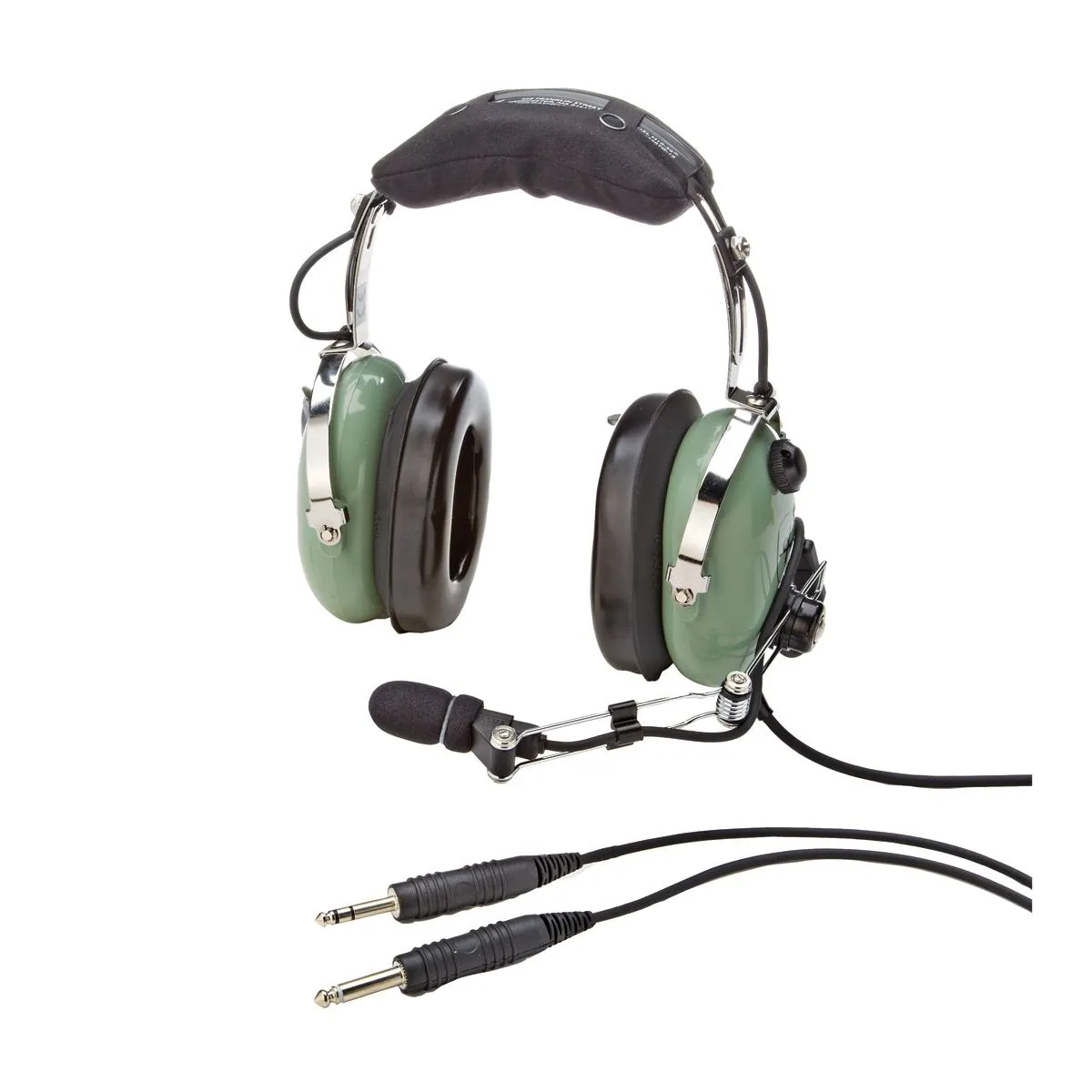
David Clark H10-30 Aviation Headset (https://amzn.to/40a2TCD)
The H10-30 is one of David Clark’s most classic and popular models. It is low price and high quality attracts many student pilots getting into aviation. It features gel based ear seals providing a tight but a comfortable fit. If you are in a budget and can’t afford an ANR headset, then you can’t go wrong with a David Clark H10-30.
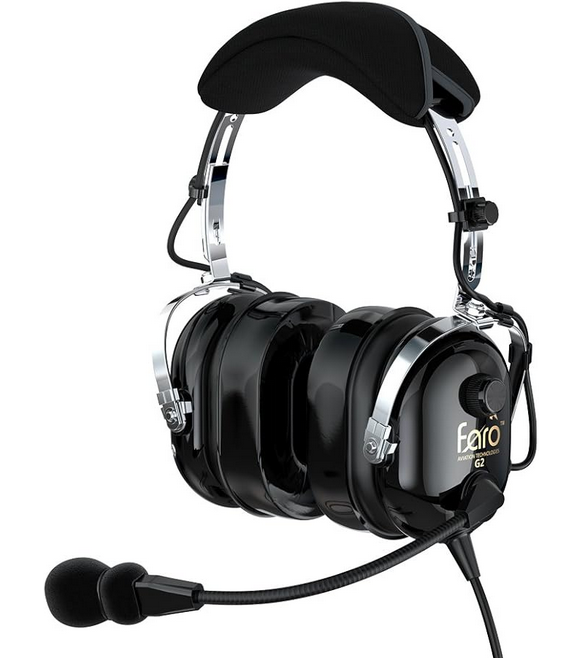
FARO G2-PNR Pilot Headset (https://amzn.to/4h52xnu)
FARO makes a variety of headsets. G2-PNR is an entry model basic aviation headsets that has a budget friendly price point. I believe this is the cheapest headset in the market that you can buy for less than $200.
Active Noise Reduction (ANR)
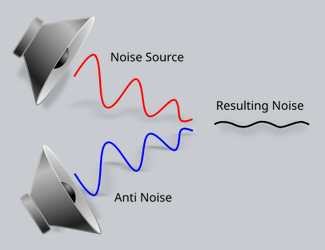
Active Noise Reduction is a method for reducing unwanted noise by generating a secondary sounds to cancel the first sound. In a nut shell, headsets that has this capability are equipped with a microphone to listen outside noise to calculate its frequency. They then use speakers inside the cups to generate a new sound with the opposing frequency of the outside sound to effectively cancel the frequency and eliminate the noise. This approach works remarkably well to reduce unwanted engine and prop noise in cockpits. ANR headsets usually provide more noise reduction than PNR headsets without having to use thick ear seals and clamping pressure. ANR headsets are very comfortable to wear for a long time. The only drawback is that ANR headsets need a source of power for the ANR capability to work.
It is important to note that most ANR headsets comes with a built in bluetooth functionality so that you can connect it to your iPad or iPhone. This convenient feature allows you to hear EFB verbal warnings, listen music, or even make phone calls from your phone.
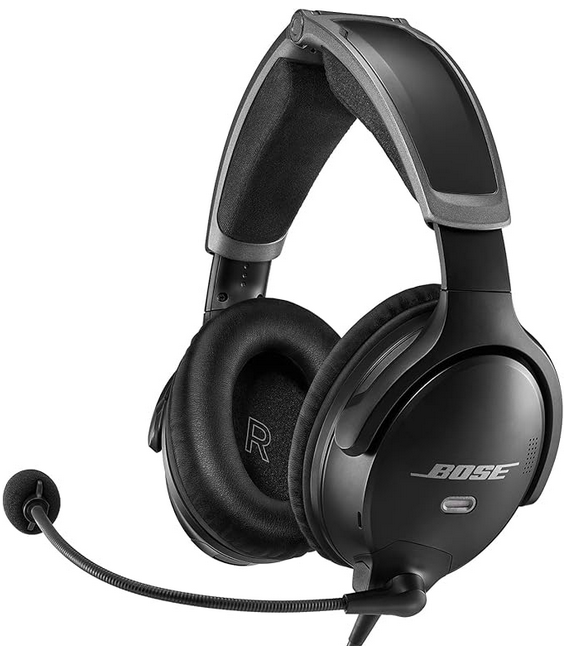
Bose A30 (https://amzn.to/4gLxmxH)
The Bose A30 is the flagship product when it comes to ANR capable aviation headsets. This new model was released in 2023. Its the choice of most pilots who fly commercially and professionally. It is also the most expensive headset in the market. Unlike other headsets, it features two levels of ANR, low and high, giving the pilots an option to adjust how much noise cancellation they want to enable. Bose’s warranty and customer service is legendary. If the money is no object, then this is the headset to buy, hands down.
Its predecessor, Bose A20 (released in 2010) can be found as a pre-owned option for a cheaper price. Many people still continue to use A20 as it was also a great headset.
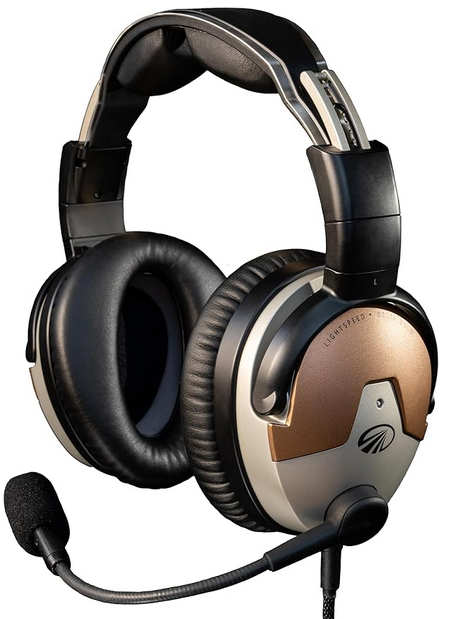
Lightspeed Delta Zulu (https://amzn.to/3DQojx5)
Bose and Lightspeed makes the most elegant aviation headsets in the market. This Delta Zulu model from Lightspeed is the closest competitor to Bose A30 with a slightly lower price tag. I’ve personally used both A30 and Delta Zulu. When it comes to performance, I think they are pretty much identical. There are some features that set A30 and Delta Zulu apart from each other. Two of those being A30’s tap to ANR disable haptic feature, and Delta Zulu’s integrated carbon monoxide monitoring and alerting feature. Quite frankly, you can’t go wrong with either A30 or Delta Zulu.
If you don’t care about the Carbon Monoxide monitoring feature, Lightspeed Zulu (https://amzn.to/4fQTFkj) is an amazing ANR headset for the price point. I’ve used the Zulu model during my primary training without any complaints.
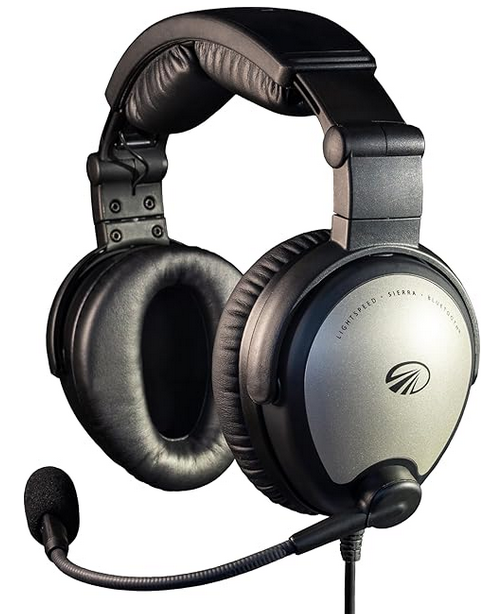
Lightspeed Sierra (https://amzn.to/3Pw3j1g)
The Sierra is another capable ANR headset from Lightspeed. It is slightly cheaper than the Zulu and packs the same features. Compared to Zulu however, it has lower build quality and durability, and lower ANR performance when it comes to noise reduction. Given Lightspeed Zulu can be bought only for $100 more, I would pick Zulu over Sierra. The Sierra however can be a great option for kids given it is slightly smaller than the Zulu.
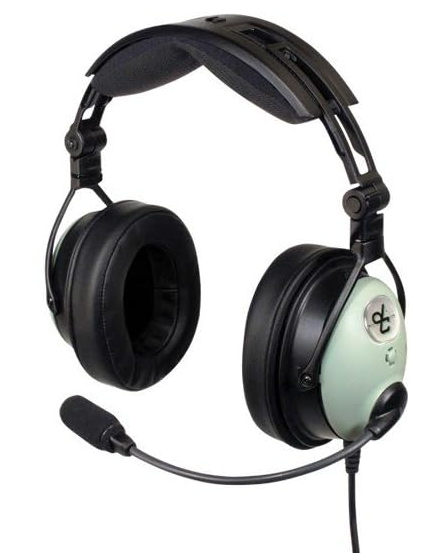
David Clark ONE-X ENC (https://amzn.to/406xqBf)
ONE-X by David Clark is another ANR capable competing with Bose and Zulu. It is relatively cheaper than Bose A30 and Lightspeed Delta Zulu. It packs the same basic features as other headsets such as bluetooth and relatively good ANR performance. I would personally prefer a Lightspeed Zulu over this headset given they are priced similarly.
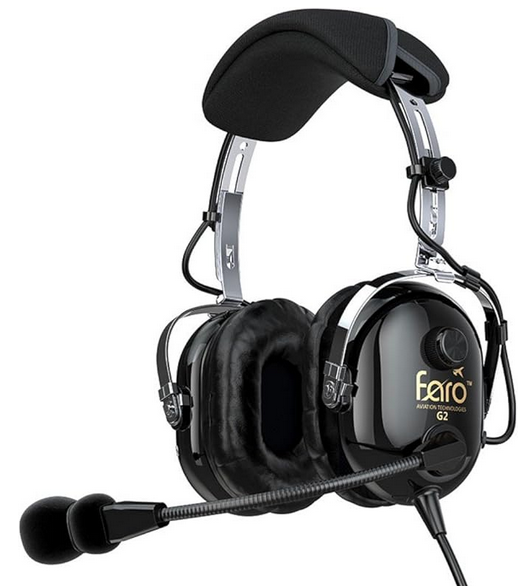
Faro G2-ANR (https://amzn.to/3C2M0S8)
This is a budget friendly ANR capable headset from Faro. Given the price point, it is a popular choice by student pilots. It however lacks bluetooth capability. Its ANR capability is also subpar compared to Bose and Lightspeed headsets.
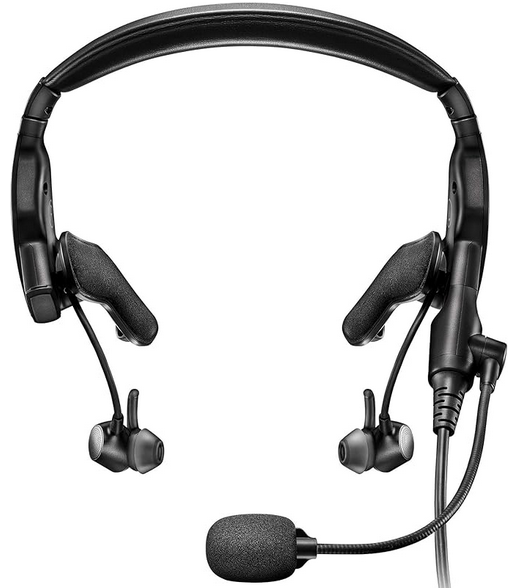
Bose Proflight Series 2 (https://amzn.to/3DYAvf0)
Profile by Bose is a very different ANR headset compared to all other ANR headsets we covered here. Its design is more close to Apple AirPods where the headset is worn in the ear rather than over it. This is where personal preference comes into the picture more than ever. I personally don’t like to wear a headset in my ear for hours of flying. Furthermore, due to design factors A30’s ANR performs much better than Proflight’s. I think this is why many pilots who fly jets prefer Proflight over A30 given jet cockpits are significantly quieter than general aviation airplanes. So, unless you are going to be flying jets anytime soon, it is probably better to stick with an over the ear type of design headset.
A Word About Different Plug Types
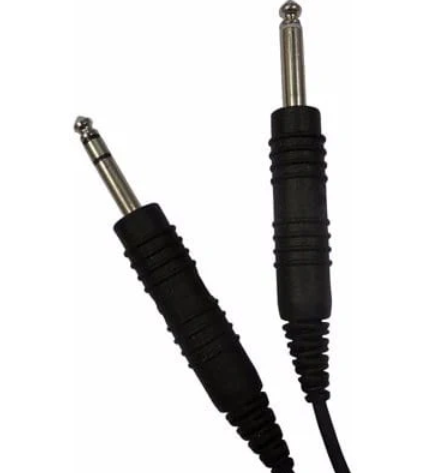
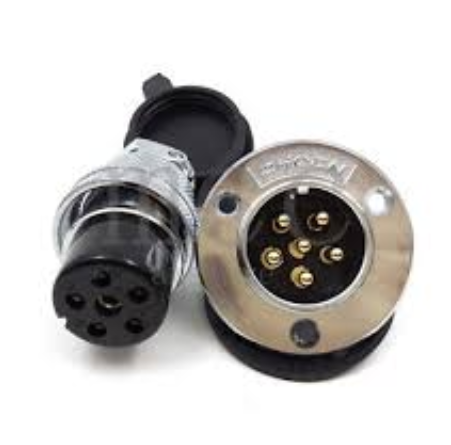
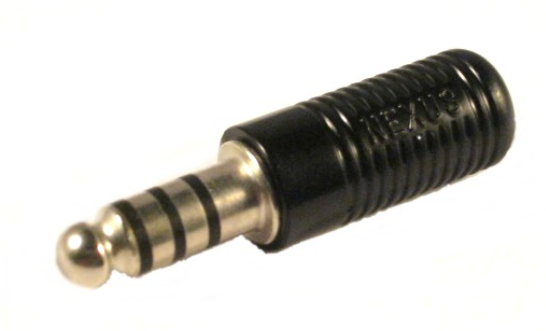
Aviation headsets typically feature three different type of cables / plugs. The most common plug type in general aviation is the dual plugs (left). It features two connections, one for hearing and the other for transmitting. More advanced and newer airplanes feature a more modern plug type, the 6-pin plug (middle). One advantage of this plug is that it can provide power to the headset thereby eliminating the need for batteries in the headset controller (for ANR models). Finally, the U-174 plug (right) used exclusively in helicopters. It is basically a single connector that combines both hearing and transmitting. There are converter adapters that you can find on Amazon to use a headset that features a helicopter plug (U-174) in a general aviation airplane by using the adapter. If you are buying a new headset, make sure to pick the right plug type based on the aircraft that you will be flying.
As always, let me know if you have any questions. Happy flying!
P.S. Affiliate links may have been used in this blog post. You may get additional discounts when you use affiliate links.